
Why Insulation Resistance and Winding Resistance Tests Cannot Detect Every Motor Winding Defect Not Every Winding Defect Causes Immediate Failure
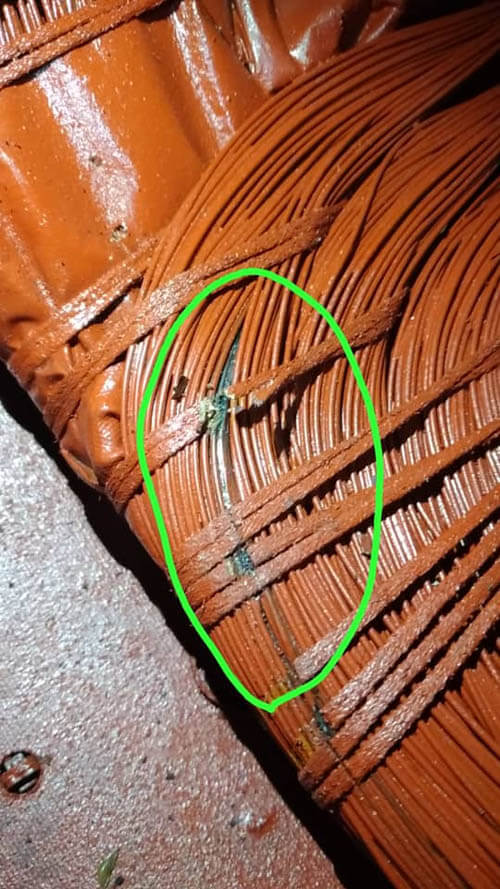
Insulation Resistance (IR) and Winding Resistance tests are essential electrical tests performed during motor maintenance. However, many people assume that if a motor passes both tests, the winding is completely healthy.
Unfortunately, this is not always the case.
Certain winding defects, particularly turn-to-turn insulation deterioration, may remain undetected until they develop into random tripping, overheating, or complete winding failure.
Understanding the Limitation of Insulation Resistance Testing
The Insulation Resistance test evaluates the insulation condition between winding and earth, or between phases.
It is highly effective for identifying:
- Moisture contamination
- Insulation ageing
- Ground faults
- Major insulation breakdown
However, it cannot detect insulation deterioration between adjacent turns within the same winding.
Why Winding Resistance Is Not Enough
Winding Resistance testing compares the DC resistance of each motor phase.
It is commonly used to identify:
- Open circuits
- Loose connections
- Significant phase imbalance
However, a small turn-to-turn short circuit usually causes only a very small resistance change, making it difficult to detect using conventional resistance measurements.
A Motor Can Still Pass Both Tests
One of the common misconceptions is that passing both Insulation Resistance and Winding Resistance tests confirms a healthy winding.
In reality, a motor may continue operating normally while an internal winding defect gradually develops.
This often explains why some motors experience random trips before eventually suffering catastrophic winding failure.
Looking Beyond Conventional Testing
Motor Circuit Analysis (MCA) evaluates the winding using multiple electrical characteristics instead of relying solely on insulation resistance or DC resistance.
This enables maintenance engineers to identify developing winding defects before they become major failures.
Conclusion
Passing Insulation Resistance and Winding Resistance tests does not necessarily mean a motor winding is free from defects.
Understanding the limitations of each test allows maintenance teams to make better maintenance decisions, reduce unexpected failures, and improve overall equipment reliability.